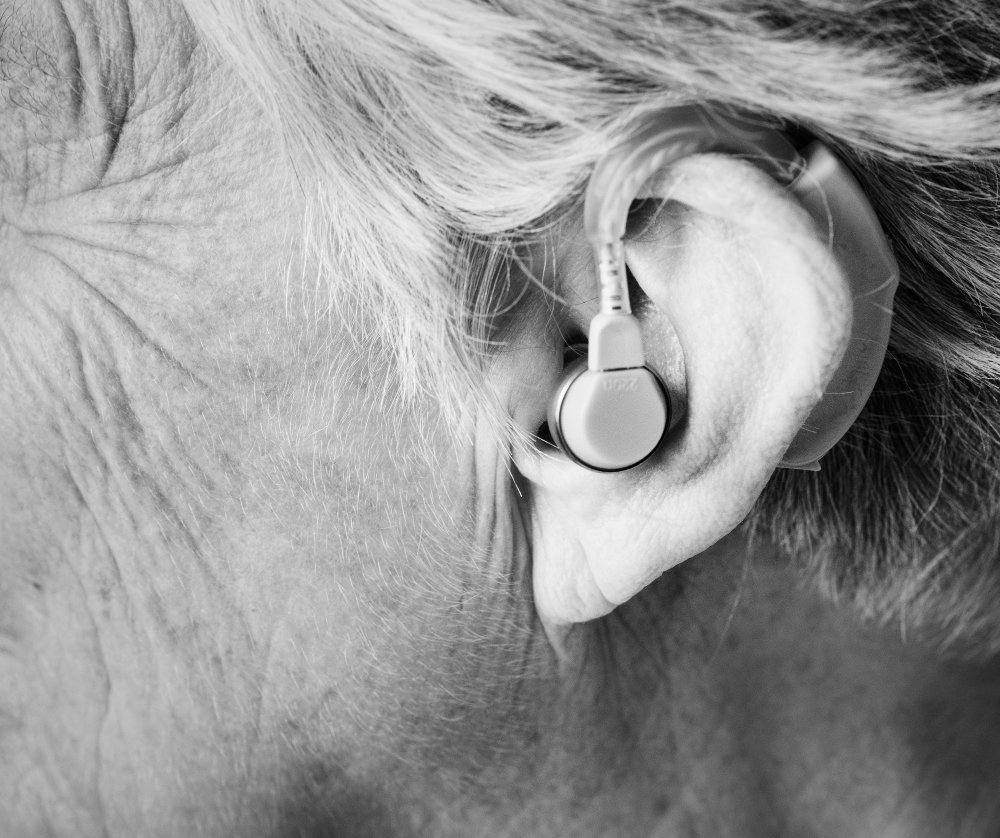
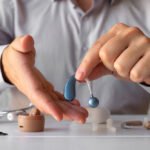
Do you remember the last time you heard the murmur of a conversation or your favorite song with complete clarity? Hearing loss often occurs gradually, slowly disconnecting us from the sounds that give color to our lives. Facing this reality is the first step toward regaining not only your hearing, but also your confidence and joy in everyday interactions.
Many people put off getting hearing aids for one main reason: cost. But what if we told you that in Spain there’s a support system designed to make money no obstacle? This guide isn’t just a list of grants; it’s a map to help you navigate the funding process, step by step, in clear and accessible language.
Free advice on grants
Don’t miss this opportunity to access the available assistance. Our team provides free advice and makes the process quick and easy.
Beyond Hearing: The Real Impact of Hearing Aids
Before discussing aid and procedures, it’s essential to understand the “why.” A hearing aid is much more than a sound amplifier. It’s a tool that enriches your life in ways you may not have imagined.
-
Social reconnection: You’ll once again actively participate in conversations without having to ask for things to be repeated. Family gatherings and outings with friends will be more enjoyable.
-
Safety and confidence: Feeling safe crossing the street because you can hear the traffic, or not missing important announcements in public places, gives you a great deal of independence.
-
Brain health: The brain needs stimulation to stay active. When you hear well, your mind works harder to process sounds and conversations, which helps keep it sharp and healthy.
Failing to act in time can cause the brain to “forget” how to interpret certain sounds, making future adaptation more difficult. Therefore, taking the step not only improves your present, but also protects your future.
Your roadmap to getting aid: a simple process
Phase 1: The official diagnosis, your access key
It all starts with a fundamental piece of paper: the medical prescription. Without it, you can’t access any public assistance.
-
Make an appointment with your family doctor: They’re your first ally. Explain your situation to them so they can refer you to a specialist in the public health system: an otolaryngologist (ENT).
-
Visit to the Otorhinolaryngologist: This specialist will perform an audiogram and other tests to confirm your degree of hearing loss. If necessary, they will give you an official prescription. This document is your passport to all assistance.
Phase 2: Find your solution and the support you deserve
Once you’ve got your prescription, it’s time to find your hearing aids. This is where a trusted hearing center becomes your best travel companion.
-
Expert advice: At Clinicaudio, a hearing care professional will help you find the device that best suits you. But their work goes beyond that.
-
Test before you decide: At Clinicaudio, we offer you the option of trying hearing aids for a period of time without obligation. This way, you can be sure they’re the right ones for your daily life.
-
Help with paperwork: Clinicaudio staff can guide you through preparing grant documentation, providing invaluable assistance in navigating the bureaucracy.
Once you’ve chosen your hearing aid(s), you’ll receive the receipt. Keep it safe, because it’s the second key piece of the puzzle.
Try your hearing aids before you decide.
At Clinicaudio, you can try them for up to 30 days with no obligation. We want your decision to be calm, confident, and with the confidence of choosing the best for you.
Phase 3: The winning combination for your pocket
With the prescription and invoice in hand, it’s time to apply for financing. The secret is combining the different support options.
-
The basis: the provision of the NHS. It’s a state grant that will reimburse you for part of the cost. It’s the first step you need to take.
-
The big boost: the subsidy from your Autonomous Community. These are the largest. Each community has its own requirements (registration, income level, disability status).
What aids actually exist? A practical summary
To make things clearer, here’s a summary of the types of financing you can combine:
-
Benefits of the National Health System (SNS): This is a fixed and permanent state aid that serves as the basis for your financing plan, although it does not cover 100% of the cost. A prescription from an ear, nose, and throat (ENT) specialist in the public health system is essential. These aids are generally aimed at people under 27 years of age with a hearing loss of at least 40 decibels (dB) in their better ear.
-
Regional Subsidies: These are the most significant aid and are temporary, as they depend on calls for applications with established deadlines. They are awarded annually and are intended for people with lower incomes or with a recognized disability level (usually 33% or more). The amounts vary by region and can cover up to 100%.
-
Aid for those over 65: Those over 65 and pensioners can access specific support programs in several autonomous communities to facilitate access to hearing technology.
Requirements: These grants usually depend on economic criteria, evaluating the applicant’s income level.
Procedure: A medical report justifying the need for a hearing aid is required. Some communities have agreements with accredited hearing centers that offer direct discounts.
Carlos's case: from doubt to savings
Your hearing well-being starts today
The technology to help you hear better is within your reach, and the aid system in Spain is designed to make it accessible to you. Don’t let misinformation or fear of cost prevent you from reconnecting with the sounds of your life.
The first step is the most important. At Clinicadio, we offer you a free hearing exam in a professional and trustworthy environment. Here you’ll not only receive a clear diagnosis, but also a personalized plan to finance your hearing aids. It’s time to hear clearly again.
This is your moment to listen better.
At Clinicaudio we accompany you with a clear plan:
- Free hearing check
- Advice on everything related to grants
- Interest-free financing