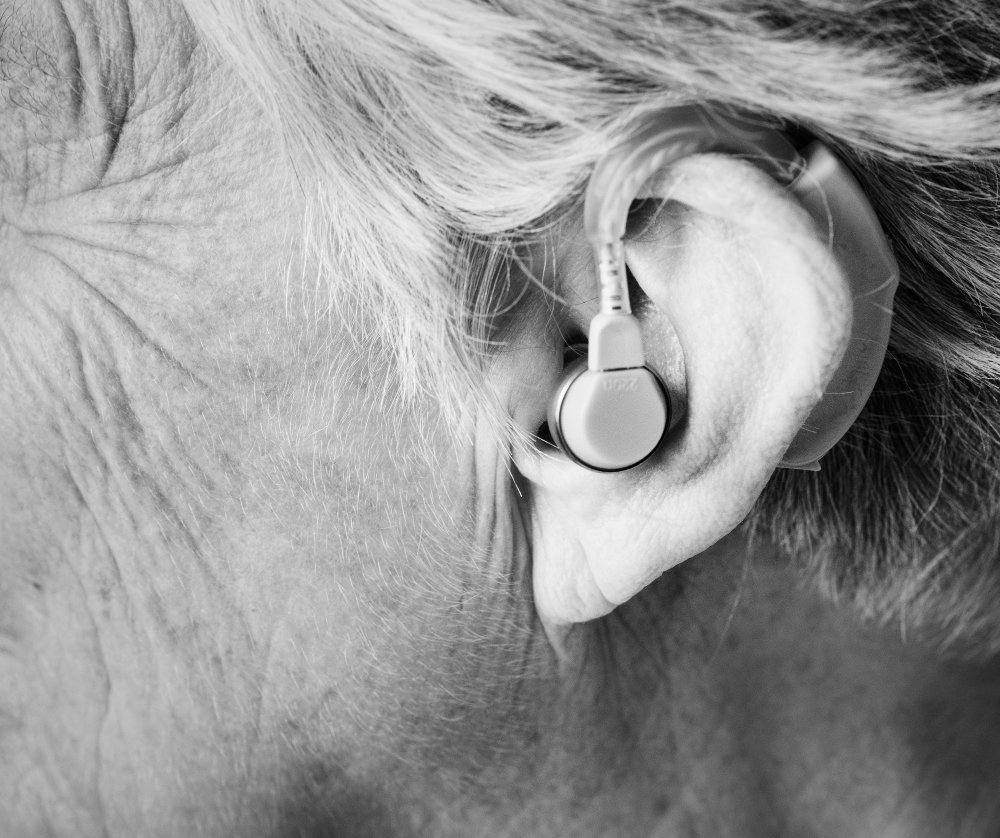
Hearing is not just one of our five senses; it’s a vital bridge to the world around us. It connects us with others, fosters our independence, and enriches our daily lives. However, when hearing is impaired, the consequences can extend far beyond simply “not hearing well.” From social isolation to cognitive strain, the impact of hearing loss can be profound and multifaceted.
In this article we will explore how hearing loss, and the disability that can result from it, affects our daily lives and cognitive health, as well as the solutions available to overcome these barriers.
Taking care of your hearing is a way to protect your well-being and cognitive health. A timely checkup can make all the difference.
What is hearing impairment and how is it measured?
It is important to differentiate between hearing loss and hearing impairment. Hearing loss is a clinical finding, measured in decibels, that indicates a decrease in the ability to perceive sounds. On the other hand, hearing impairment reflects how that loss affects a person’s interaction with their environment, limiting their daily activities.
For example, a person with mild hearing loss might not experience significant limitations if they have an accessible environment and assistive technology. However, that same hearing loss in a context full of communication barriers can result in a significant disability.
Types and degrees of hearing loss
Hearing loss is classified into several grades according to its severity and impact on daily life:
- Mild: Difficulty understanding speech in noisy environments. Often perceived as distractibility or inattention.
- Moderate: Difficulty following normal conversations without assistance. Frequent misunderstandings are common.
- Severe: Only loud sounds are perceived, which seriously hinders communication without visual or technical support.
- Deep: Vibrations are perceived more than sounds. Lip reading or the use of sign language become essential.
Causes of hearing loss
Hearing loss can have various causes, both congenital and acquired. Congenital causes include genetic abnormalities that affect the normal development of the auditory structures. Acquired causes can include prolonged exposure to loud noises, chronic ear infections, head trauma, or side effects of certain medications known as ototoxic drugs. Additionally, natural aging, known as presbycusis, is one of the most common causes of hearing loss in older adults. Identifying the underlying cause is essential to determining the appropriate treatment or support methods.
Impact of hearing impairment on daily life
Personal relationships and communication
Difficulty following conversations can lead to social isolation. Family gatherings, dinners with friends, or social events can become frustrating experiences when the conversation flows poorly, often leading people to avoid these situations.
Work and academic environment
At work or in school, hearing loss can limit performance without accommodations. Missing details in meetings, not hearing clear instructions, or having difficulty participating in discussions can lead to stress and insecurity, regardless of a person’s abilities.
Autonomy in daily life
From not hearing a doorbell or alarm to having trouble communicating by phone, hearing loss can reduce a sense of control and independence. These invisible barriers are often a source of frustration for those who experience them.
Effects of hearing impairment on cognitive health
Cognitive load and mental fatigue
When the ears don’t transmit clear signals, the brain has to work harder to interpret sounds. This constant effort can cause what’s known as “auditory fatigue,” a feeling of mental exhaustion that affects memory, attention, and overall well-being.
Relationship between hearing and memory
An overloaded brain trying to decipher sounds has less capacity to retain information. Often, what appears to be a memory problem is actually a consequence of information not being processed clearly in the first place.
Emotional impact
The ongoing effort combined with social isolation can lead to anxiety, frustration, and even depression. Hearing impairment affects not only physical well-being but also emotional well-being.
Solutions for a fulfilling life with hearing impairment
Hearing aids and technological advances
Hearing aids and cochlear implants can restore clear sound, reducing cognitive load and improving quality of life. Thanks to technological advancements, hearing aids have evolved significantly, becoming smart devices that go beyond simply amplifying sounds. The latest generations integrate artificial intelligence (AI), allowing them to adapt more precisely to each user’s hearing needs and environment. This technology can now recognize different sounds, reduce background noise, and focus on conversations, providing a much more natural listening experience. Furthermore, many modern hearing aids include connectivity with mobile devices, enabling personalized adjustments and direct control from specialized apps.
Education and awareness
Raising public awareness about hearing loss is essential for building a truly inclusive environment. This involves promoting accessibility in public spaces and encouraging the use of technologies that facilitate communication. An informed society allows people with hearing loss to participate fully in daily life, fostering their autonomy and genuine social inclusion.
Accessible environments and support
An adapted environment, along with clear communication strategies, can alleviate daily barriers. Furthermore, professional support ensures a successful transition to using these aids.
Importance of early detection
Detecting and treating hearing loss early is key to preventing cognitive decline and maintaining an active social life. Regular hearing tests, like vision or blood pressure checks, should be part of our self-care routine.
The role of awareness and early detection
Normalizing hearing screenings is a fundamental step toward prevention and maintaining a good quality of life. Just as we take care of our eyesight or monitor our blood pressure, we must begin to pay attention to the health of our ears. Eliminating the stigma surrounding hearing screenings is vital for detecting and addressing problems before cognitive decline or social isolation progresses.
Prevention and quality of life
Detecting hearing loss early is not only a preventative measure, but also an investment in the future. It means preserving mental agility, maintaining an active social network, and ensuring a more independent and happy later life. Investing in awareness and early detection is a clear path to a full and enriching life.
Conclusion: Understanding hearing impairment leads to a better life
Taking care of your hearing is taking care of your quality of life. Take the step today and discover how a professional check-up can help you live with greater well-being and peace of mind.
When silence becomes distance
In many cases, hearing loss isn’t first noticeable on an audiogram, but rather in social life: conversations become tiring, meetings become awkward, plans are unconsciously avoided. This gradual withdrawal often seems normal, but it can have a direct impact on mood, confidence, and cognitive health. If you want to identify early signs of this disconnection and understand how it manifests in daily life, this article expands on the topic from a very practical perspective.
The brain also listens: why this connection matters
When hearing fails, it’s not just sound that’s lost: clarity, context, and some of the information the brain uses to orient itself, understand, and remember are also lost. This “lack of clarity” can translate into more mental effort, more fatigue, and less engagement, especially if the loss remains unaddressed. If you’re interested in learning more about how hearing relates to brain health and why this topic is so relevant when discussing cognitive decline and Alzheimer’s, here’s a reading that directly connects to what we’ve just discussed.