When we think about diabetes management, we usually focus on diet, glucose control, and monitoring our vision and foot health. These are routines that are part of our daily lives and that we take for granted. However, there is one aspect of health that is often overlooked in these checkups: hearing.
Although we don’t always consider it, our ears can also be affected by the changes diabetes produces in the body. The most delicate aspect is that this relationship often works silently, without giving clear signs until the problem has already progressed. Taking care of your hearing is not separate from diabetes; it’s part of the comprehensive care that allows us to maintain a good quality of life.
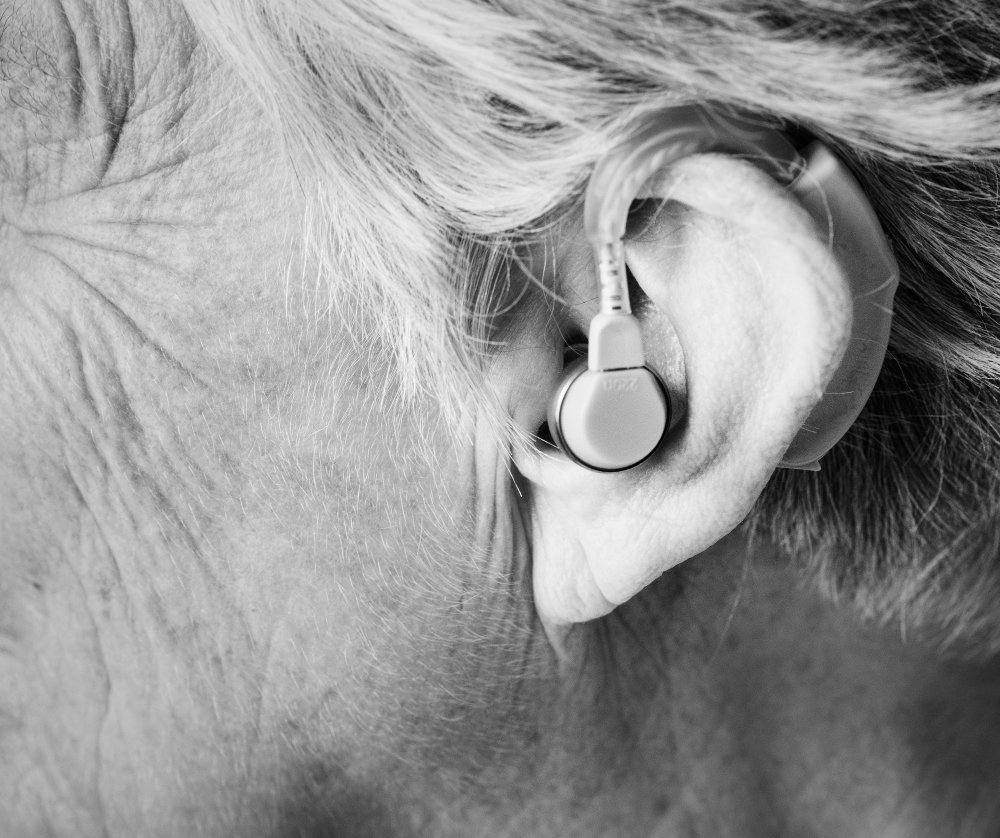
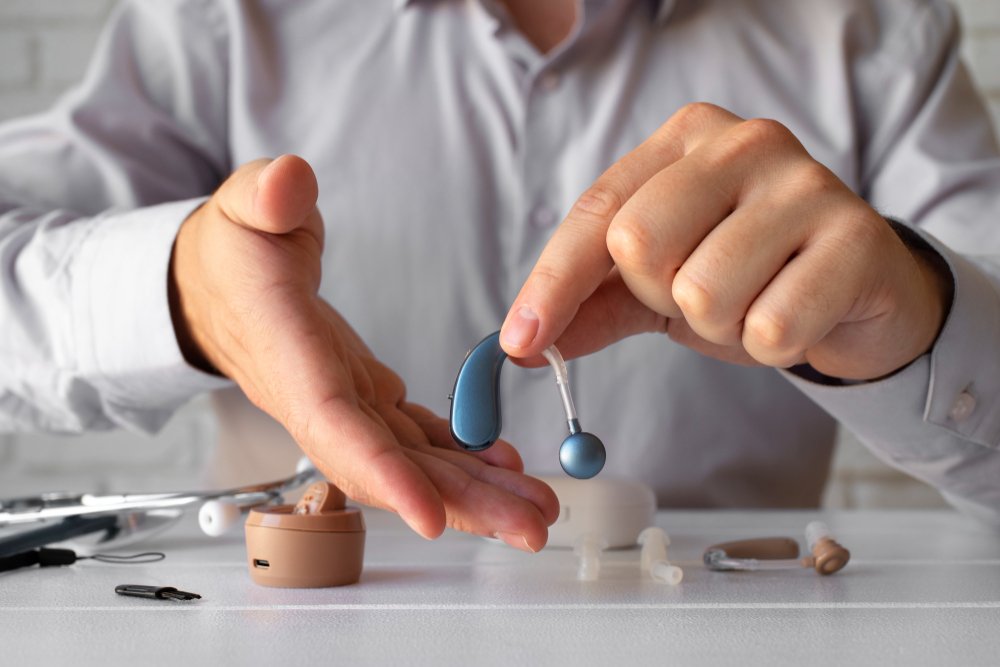
If you have diabetes and haven’t had your hearing checked in a while, a free hearing test can help make sure everything is okay and prevent future problems.
Is there a relationship between diabetes and hearing loss?
The answer is yes. Although it may surprise many people, there is a documented link between diabetes and hearing loss. Studies conducted by the U.S. National Institutes of Health (NIH) show that people with diabetes are approximately twice as likely to develop some degree of hearing loss compared to those without the disease. Even in cases of prediabetes, the risk is higher.
This doesn’t mean that everyone with diabetes will experience hearing loss, but it does indicate an additional risk factor that deserves attention. Just as we take care of our eyesight to prevent diabetic retinopathy, our hearing also needs preventative monitoring. Being aware of this connection is the first step in protecting it.
How does diabetes affect the auditory system?
To understand why this happens, it’s not necessary to resort to complex medical explanations. Diabetes, when it persists over time, can affect blood circulation and the nerves.
The inner ear is an extremely delicate structure. Inside, tiny blood vessels and nerve endings transform sounds into signals that the brain can interpret. These vessels are very sensitive to metabolic changes. Elevated glucose levels can progressively damage them, making it difficult for the ear to receive the oxygen and nutrients it needs to function properly.
This process is similar to what can happen in other organs, but in the ear it occurs in a particularly quiet way.
Hearing loss in people with diabetes is usually progressive and silent.
One of the major challenges of hearing loss associated with diabetes is that it rarely appears suddenly. It usually develops gradually.
At first, it may be more difficult to follow conversations in noisy environments, or you may feel that some people aren’t speaking clearly. It’s also common to lose high-pitched sounds before low-pitched ones. These minor changes are often attributed to tiredness, stress, or age, which leads to them being normalized and delaying seeking help.
If you notice that you are having more difficulty understanding conversations or that noise is tiring, a free hearing test can help you detect changes in time.
Diabetes, hearing and the brain: a relationship that goes beyond the ear
Hearing well is not just a matter of sound perception. It is fundamental for keeping the brain active. The ear captures sound, but it is the brain that interprets it, organizes it, and gives it meaning.
When hearing loss is untreated, the brain has to constantly work to fill in the gaps in information it doesn’t receive clearly. In people with diabetes, whose vascular system may already be under greater stress, this cognitive strain can lead to increased mental fatigue, difficulty concentrating, and a feeling of exhaustion after long conversations.
Taking care of your hearing helps preserve key cognitive functions such as memory, attention, and mental agility.
Hearing warning signs in people with diabetes
Hearing loss isn’t always obvious. Some signs to watch out for include:
- Difficulty following conversations in noisy places.
- Turning up the volume of the television or radio more than usual.
- Frequently ask them to repeat what has been said.
- Tiredness or irritability after social encounters.
- Tendency to avoid meetings for fear of not understanding well.
Recognizing these signs early can prevent the problem from progressing and affecting social and emotional life.
Why it’s important to have your hearing checked if you have diabetes
Just as diabetes requires regular eye and kidney checkups, hearing health should also be part of that monitoring. Incorporating regular hearing tests allows for the detection of mild hearing loss, personalized follow-up, and intervention before communication is compromised.
At Clinicaudio we understand these check-ups as a way to support you and help you maintain your well-being, not as a one-off test without continuity.
What can you do to protect your hearing if you have diabetes?
Prevention is a great ally and it’s in your hands:
- Maintain good control of glucose levels.
- Avoid prolonged exposure to loud noises.
- Do not smoke, as tobacco affects circulation.
- Get regular hearing checkups, even if you don’t notice any clear symptoms.
Small habits can make a big difference in the long run.
Hearing as part of quality of life in people with diabetes
Hearing well is key to independence, safety, and emotional well-being. It allows us to have fluid conversations, enjoy our surroundings, and feel connected to those around us.
Living with diabetes means taking care of yourself in many ways, and hearing is one of them. Protecting your hearing is protecting your quality of life.
Conclusion: Taking care of your hearing is also taking care of your health
The link between diabetes and hearing is real, though it often goes unnoticed. Detecting any hearing changes early can make a big difference in how we communicate, how we feel, and how we live our daily lives.
Book your free hearing test at Clinicaudio and take care of your hearing as part of your overall health. We’re here to support you.
Hearing loss and its relationship to cognitive health
Untreated hearing loss not only affects communication but can also impact long-term cognitive health. The Clinicaudio article “Hearing Loss and Dementia” explains how maintaining good hearing helps reduce cognitive effort and preserve functions such as memory and attention. Understanding this relationship underscores the importance of prevention, especially for individuals with risk factors like diabetes.
External factors that also influence hearing health
In addition to medical conditions, the environment can also affect our ears. Cold weather, for example, can cause discomfort, infections, or a feeling of fullness or blockage. In the article “How Cold Weather Affects Your Ear Health,” Clinicaudio explains how to protect your hearing from low temperatures and why it’s important to pay attention to these external factors, especially if you already have heightened hearing sensitivity.