We often think about our hearing health in isolation, worrying only about whether we need to turn up the TV volume or if we have trouble understanding a conversation in a noisy restaurant. However, hearing well goes far beyond perceiving sounds; it is a fundamental pillar of our cognitive well-being. Hearing is not just a matter of ears, but also of the brain, quality of life, and healthy aging.
Checking our hearing shouldn’t just be a reaction to an obvious problem, but a preventative habit. Taking care of our ears is, in essence, one of the most effective ways to take care of our minds and ensure we stay connected to the world around us.
Taking care of your hearing early is a way to protect your brain health. At Clinicaudio, we offer a free hearing test to help you detect any changes and take action with peace of mind.
Hearing as a gateway to the brain
How the auditory process works
The ear is the organ responsible for capturing sound waves, but the real magic happens further up the brain. Once sound enters the ear, it travels through the auditory system to the brain. It is there, in the central nervous system, that these signals are decoded and given meaning. That’s why experts often say that “we hear with our brains.” It’s not just about detecting a noise, but about interpreting what it means, where it comes from, and what emotion it conveys.
The relationship between hearing and cognitive functions
For this interpretation to occur correctly, the brain needs a clear signal. When hearing is functioning well, the brain can dedicate its resources to other crucial tasks such as attention, memory, and processing speed. Good hearing facilitates language comprehension without extra effort, allowing the mind to work smoothly.
What happens when hearing starts to fail?
The invisible cognitive effort
When the auditory signal reaching the brain is weak or distorted, it has to work twice as hard to fill in the missing information. It’s like trying to read a book with missing letters; it requires extra concentration. This extra effort leads to mental fatigue, which can result in difficulty concentrating on everyday tasks and reduced performance at the end of the day.
Reduction of brain stimulation
If auditory input decreases, the brain receives less “exercise.” Neuroplasticity, the brain’s ability to adapt and change, can be affected by this lack of activity. Over time, reduced activity in the auditory areas can lead to changes in brain structure.
The relationship between hearing loss and cognitive decline
How hearing loss affects memory
There is a close link between what we hear and what we remember. If we have difficulty processing verbal information in the moment, it is much harder to store it in short-term memory. This can lead to reduced retention of information and an increase in minor lapses or confusion in daily life.
Hearing, attention, and mental speed
Maintaining a conversation when the sound quality is poor consumes a significant amount of attentional resources. This reduces our multitasking ability; the brain is so busy trying to decipher the words that it struggles to process other simultaneous stimuli, leading to significant accumulated mental fatigue.
Why regular hearing checkups are essential
Regular hearing checkups are essential for maintaining good hearing health and preventing problems that can affect our quality of life. Below, we delve into the key points that highlight their importance:
1. Early detection of hearing problems
Hearing loss can develop gradually and go unnoticed. Regular hearing checks allow for early detection of problems, facilitating timely treatment and preventing further damage.
2. Prevention of major complications
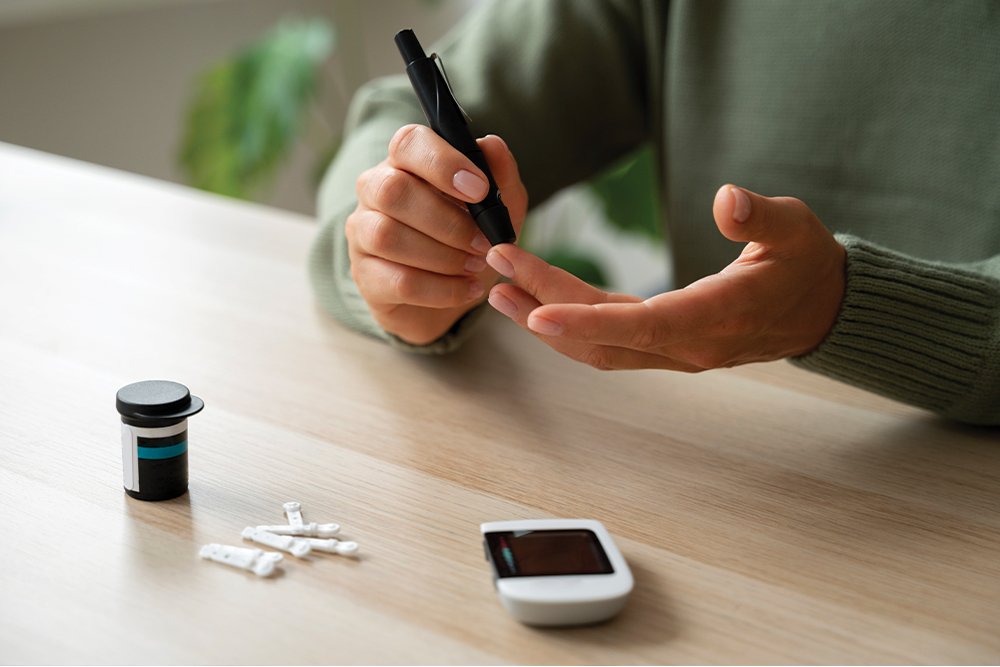
Conditions such as infections, earwax buildup, or even problems related to chronic illnesses (like diabetes) can affect hearing. Regular checkups can prevent minor issues from developing into more serious complications.
3. Impact on quality of life
Hearing health is directly related to our ability to communicate and maintain social relationships. Detecting and treating problems early can prevent social isolation, frustration, and emotional problems associated with hearing loss.
4. Relationship with healthy aging
As we age, our hearing naturally tends to decline. Regular checkups in later life not only help manage this process but also contribute to maintaining an active and independent life.
5. Benefits for all ages
Although hearing loss is often associated with older people, children and young adults can also benefit from regular checkups. Factors such as exposure to loud noises, infections, or even genetics can affect people of any age. Detecting problems early ensures better auditory and cognitive development.
6. Monitoring in hazardous environments
People who work in noisy environments, such as factories, construction sites, or events, are more susceptible to hearing damage. Regular checkups not only protect their hearing but also ensure compliance with workplace safety measures.
7. Improvement in cognitive performance
Studies have shown that untreated hearing loss is linked to an increased risk of cognitive decline and dementia. Detecting and treating it early can be key to maintaining mental health throughout life.
In short, hearing tests are not only a preventative measure but also an investment in our long-term health. No matter your age or lifestyle, taking care of your hearing should be a priority for living life to the fullest. Don’t wait any longer and schedule your hearing test today!
If you notice mental fatigue, difficulty following conversations, or a feeling of disconnection, a hearing test can help you understand what’s happening and prevent bigger problems.
The role of hearing aids in brain stimulation
More than just amplifying sound
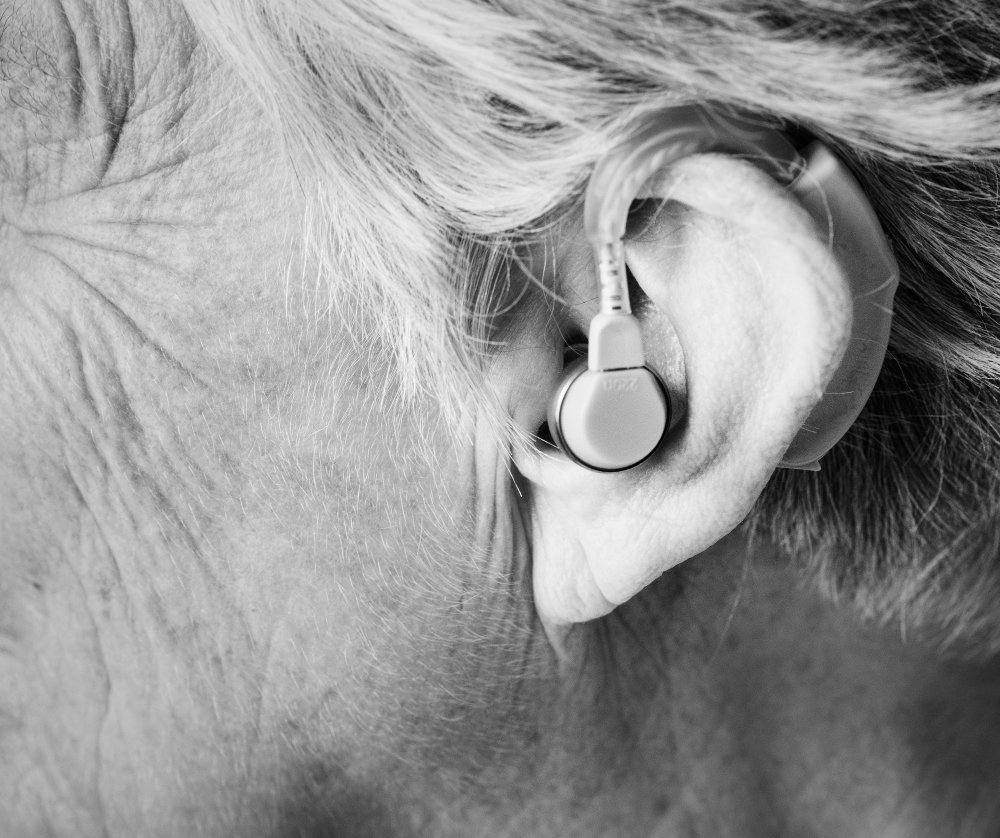
Modern hearing aids are not simply volume amplifiers. They are advanced technological devices designed to process sound so that the brain can interpret it naturally, improving the perception of speech and the sound environment.
Cognitive benefits of early use
Using hearing aids early reduces the mental effort required for listening. This frees up cognitive resources for memory and attention, and greatly facilitates social interaction, keeping the brain active and stimulated.
Common myths about hearing tests
“I just need to check if I can’t hear anything.”
Waiting until you have a serious problem is a mistake. Hearing loss is usually progressive and imperceptible at first.
“Headphones worsen hearing”
False. On the contrary, they keep the auditory pathway stimulated and active, preventing the brain from “forgetting” how to process certain sounds.
“I’m too young to have hearing problems”
Hearing health is not limited by age. Today’s lifestyle and exposure to noise can affect hearing long before old age.
Warning signs that indicate the need for a check-up
How a hearing check-up contributes to active aging
Taking care of your hearing is synonymous with maintaining independence and improving emotional well-being. Good hearing allows us to continue participating fully in life, preventing cognitive decline and improving our overall quality of life.
The role of Clinicaudio in hearing health care
At Clinicaudio, we are committed to a comprehensive and personalized approach. Thanks to advanced technology and professional follow-up, we offer close support over time, ensuring that your hearing and cognitive health are always in the best hands.
Listening well is taking care of your brain
Hearing is much more than a sense; it’s a vital connection to the world and an essential protector of our brain health. Regular checkups and timely intervention not only improve what you hear today, but also protect who you are tomorrow.
If it’s been a while since you last had your ears checked, we encourage you to take the step. Taking care of your hearing is the best investment for a sharp mind and a fulfilling life.
How hearing influences active aging
Hearing health is a key pillar not only for brain health but also for maintaining a full and active life in all its dimensions. If you’re interested in knowing when to have your hearing checked to age healthily and how to adapt hearing solutions to your lifestyle, we invite you to read our article on active aging. You’ll discover practical recommendations for caring for your hearing, promoting independence, and improving your physical, cognitive, and social well-being throughout your life.
Finance your hearing aids and continue taking care of your hearing health
Taking care of your hearing can also involve practical decisions like choosing and financing your hearing aids appropriately, especially if they’re part of your cognitive prevention plan. If you’d like to explore real options and tips for financing your hearing aids and improving your quality of life, be sure to visit our 2025 guide. There you’ll find resources to help you make informed decisions and maintain an optimal hearing experience without complications.